

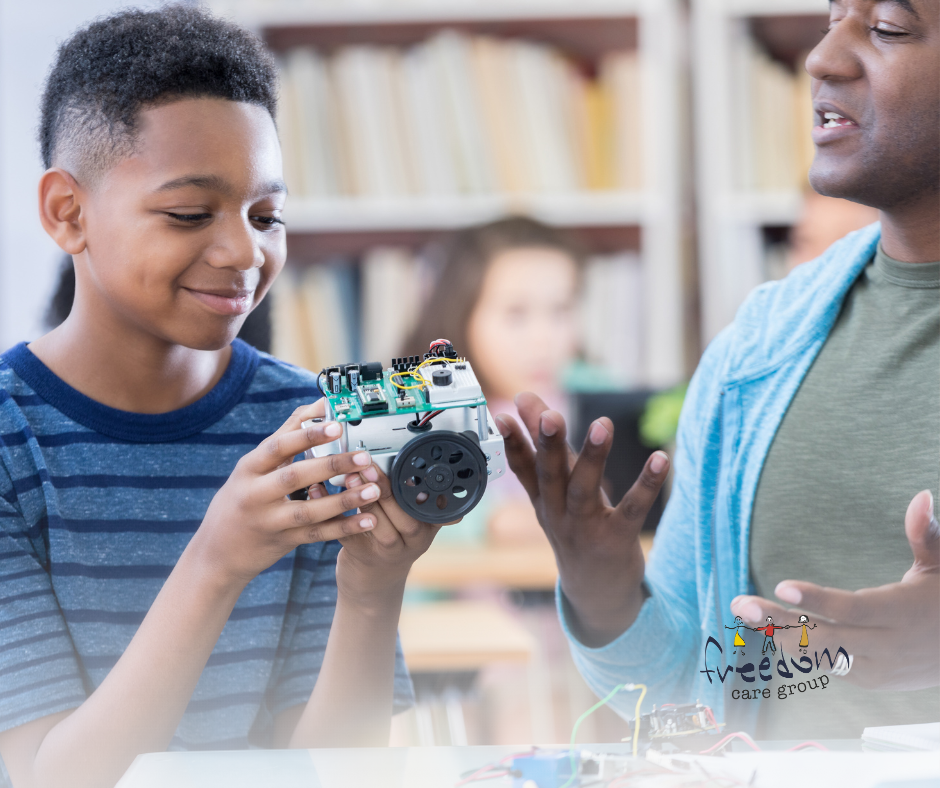
02 Apr How Mentorship and Buddies Can Support Young Individuals Facing Mental Health Challenges


In today’s fast-paced world, many young individuals find themselves struggling with various mental health issues such as anxiety, depression, autism, ADHD, or Pathological Demand Avoidance (PDA). These conditions can significantly impact their daily lives, making it challenging for them to navigate through the complexities of adolescence. In such situations, having a mentor or a buddy can make a world of difference.
Mentors and buddies play a crucial role in providing support, guidance, and encouragement to young people facing mental health challenges. They serve as a source of stability and understanding, offering a compassionate ear and practical advice when needed. By building a positive and trusting relationship with a mentor or buddy, young individuals can feel empowered to tackle their struggles and work towards achieving their goals.
For young individuals with conditions such as autism, ADHD, or PDA, the support of a mentor or buddy can be especially beneficial. These conditions may present unique challenges that require specialized understanding and approaches. Mentors and buddies who have experience working with individuals with these conditions, like the staff at Freedom Care who support young people and families with PDA, can offer valuable insights and strategies to help navigate these challenges effectively.
One of the key benefits of having a mentor or buddy is the opportunity for personalized support. Every individual is unique, and what works for one person may not work for another. A mentor or buddy can tailor their approach to meet the specific needs and preferences of the young person they are supporting. This personalized support can help young individuals develop coping mechanisms, build self-confidence, and improve their overall well-being.
Furthermore, mentors and buddies can provide a sense of belonging and connection for young individuals who may feel isolated or misunderstood due to their mental health challenges. By offering a listening ear and a non-judgmental attitude, mentors and buddies create a safe and supportive environment where young people can express themselves freely and work through their struggles without fear of stigma or discrimination.
In addition to emotional support, mentors and buddies can also help young individuals develop essential life skills and coping strategies. Through mentoring relationships, young people can learn how to manage their emotions, communicate effectively, set achievable goals, and make positive decisions for their well-being. These skills are invaluable in helping young individuals overcome their mental health challenges and thrive in all aspects of their lives.
Moreover, the presence of a mentor or buddy can significantly impact the mental health outcomes of young individuals. Research has shown that individuals with supportive relationships are more likely to experience improved mental health, increased resilience, and greater overall well-being. By fostering a positive and nurturing relationship with a mentor or buddy, young individuals can enhance their mental health and build a strong foundation for a brighter future.
Michelle lummis
Posted at 09:38h, 15 JuneMy son is nearly 6 and has global development delay, social communication disorder, speech delay and autism. He also has a few medical problems too. He is a wonderful little boy that gravitates towards adults and loves talking about his planes, trains and cars. He’s a very loving little boy who just wants to be heard and I feel like he’s exhausted all of his conversations with me. I wondered if there was any help out there for him, so he can have an adult buddies to chat the ears off of
Kasia Skibinska
Posted at 11:10h, 16 JuneThank you so much for getting in touch and for telling us a little about your wonderful son. He sounds like such a loving, engaging little boy, and his passion for planes, trains and cars is lovely to hear.
We completely understand how valuable it could be for him to have another trusted adult who has the time to listen, chat and take a genuine interest in the things he loves. I have sent you an email so that we can talk a little more about what support might be available and how we may be able to help.